jeudi, juillet 17, 2014

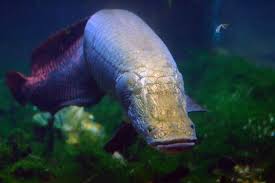
arapaima fish

 يوجد أعداد كبيرة من أسماك البيرانا، والأسماك آكلة اللحوم التي تتجمع في أسراب كبيرة، وربما تهاجم المواشي وحتى البشر. لكن أنواع قليلة منها هي التي تهاجم البشر، أيضا هناك الكثير من الأسماك اّكلة السمك لكنها تعيش بمفردها وليس في أسراب.
والقرش الثور (كاركارينوس لوكاس) (Carcharhinus leucas)، والذي يقطع مسافة 4.000 كيلومتر (2.500 ميل) من نهر الأمازون في ايكويتوس ببيرو. سمك ارابيما، ويعرف في البرازيل باسم بيراروكو (ارابيما جيجاس) (Arapaima gigas)، وهو أحد أسماك المياه العذبة الاستوائية التي تعيش في أمريكا الجنوبية. ويعد من أكبر أسماك المياه العذبة في العالم، حيث يزيد طوله عن 3 أمتار (9.8 قدم)،ويصل وزنه إلى 200 كلغ (440 رطلا). سمك ايروانا (أو اروانا إن برازيل) (أوستيوجلوسوم بيسيروزوم) (Osteoglossum bicirrhosum)، نوع آخر من أسماك أروانا فضية (باللاتينيةOsteoglossum bicirrhosum)، (بالإنجليزية: Silver arowana) تنتمي لعائلةen:Osteoglossidae المياه العذبة التي تعيش في الأمازون. وهو أيضا من الأسماك المفترسة وهو شديد الشبه بسمك ارابيما، ولكن يصل طوله إلى 120 سنتيمترا كحد أقصى. سمك كانديرو من أنواع سمك السلور الطفيلي الذي يعيش في المياه العذبة ينتمى لفصيلة تريشيوميكتيريدى (Trichomycteridae)Below, photos from this year’s arapaima hunting season:
Villagers from the Porto Novo community load into their canoes arapaima or pirarucu, the largest freshwater fish species in South America and one of the largest in the world, while fishing in Poco Fundo lake along a branch of the Solimoes river, one of the main tributaries of the Amazon, in the Mamiraua nature reserve near Fonte Boa about 600 km (373 miles) west of Manaus, November 26, 2013.  Catching the arapaima, a fish that is sought after for its meat and is considered by biologists to be a living fossil, is only allowed once a year by Brazil's environmental protection agency. The minimum size allowed for a fisherman to keep an arapaima is 1.5 meters (4.9 feet). Picture taken November 26, 2013. REUTERS/Bruno Kelly (BRAZIL - Tags: ENVIRONMENT SOCIETY ANIMALS)

ATTENTION EDITORS: PICTURE 09 OF 22 FOR PACKAGE 'FISHING FOR BRAZIL'S FOSSILS'. TO FIND ALL IMAGES SEARCH 'ARAPAIMA KELLY' - RTX16GS9
(Reuters/Bruno Kelly)
Men survey their most recent catch. The average size of an arapaima, whose scales are gray with red tips, is 6 feet 7 inches long.سمكة الارابيما العملاقة ...Arapaima 

سمكة الارابيما العملاقة ...Arapaima

الاسم العلمى لهذة السمكة : pirarucu

اقصى طول مسجل لهذة السمكة : 450 سم للذكور 
اقصى وزن لهذة السمكة : 200.0 كجم 

سمكة الارابيما العملاقة ...Arapaima

البيئة : 
من اسماك القاع ، والمياه العذبة ؛ نطاق درجة الحموضة BH : 6.0 -- 6.5 ؛ و : 10 --؟ DH 

سمكة الارابيما العملاقة ...Arapaima

المناخ / المدى. : 
تعيش فى البيئة المدارية فى درجة حرارة من ؛ 25 درجة مئوية -- 29 درجة مئوية ؛ وفى نطاق 5 درجة شمالا -- 11 درجة جنوبا 

سمكة الارابيما العملاقة ...Arapaima

التوزيع الجغرافى : 
أمريكا الجنوبية : حوض نهر الأمازون. وايضا فى تايلاند وماليزيا 

سمكة الارابيما العملاقة ...Arapaima

علم الاحياء : وغالبا ما يشار إليها باسم اكبر الأسماك فى المياه العذبة على وجة الارض . يبني عشة على عمق حوالي 15 سم وعرض 50 سم في القيعان الرملية. والطينية يولد في نيسان / أبريل وأيار / مايو من الأسماك المهددة بالانقراض. 
سمكة الارابيما العملاقة ...Arapaima

سمكة الارابيما العملاقة ...Arapaima

Villager Diomesio Coelho Antunes from the Rumao Island community clubs an arapaima or pirarucu, the largest freshwater fish species in South America and one of the largest in the world, while fishing in a branch of the Solimoes river, one of the main tributaries of the Amazon, in the Mamiraua nature reserve near Fonte Boa about 600 km (373 miles) west of Manaus, November 24, 2013.  Catching the arapaima, a fish that is sought after for its meat and is considered by biologists to be a living fossil, is only allowed once a year by Brazil's environmental protection agency. The minimum size allowed for a fisherman to keep an arapaima is 1.5 meters (4.9 feet). Picture taken November 24, 2013. REUTERS/Bruno Kelly (BRAZIL - Tags: ENVIRONMENT SOCIETY ANIMALS TPX IMAGES OF THE DAY)

ATTENTION EDITORS: PICTURE 06 OF 22 FOR PACKAGE 'FISHING FOR BRAZIL'S FOSSILS'. TO FIND ALL IMAGES SEARCH 'ARAPAIMA KELLY' - RTX16GRK
(Reuters/Bruno Kelly)
In order to catch this supersize swimmer, the fishermen first club the fish until they’re unconscious. Here, one man knocks an unlucky fish with a wooden bat.

Villager Diomesio Coelho Antunes from the Rumao Island community clubs an arapaima or pirarucu, the largest freshwater fish species in South America and one of the largest in the world, while fishing in a branch of the Solimoes river, one of the main tributaries of the Amazon, in the Mamiraua nature reserve near Fonte Boa about 600 km (373 miles) west of Manaus, November 24, 2013.  Catching the arapaima, a fish that is sought after for its meat and is considered by biologists to be a living fossil, is only allowed once a year by Brazil's environmental protection agency. The minimum size allowed for a fisherman to keep an arapaima is 1.5 meters (4.9 feet). Picture taken November 24, 2013. REUTERS/Bruno Kelly (BRAZIL - Tags: ENVIRONMENT SOCIETY ANIMALS)

ATTENTION EDITORS: PICTURE 07 OF 22 FOR PACKAGE 'FISHING FOR BRAZIL'S FOSSILS'. TO FIND ALL IMAGES SEARCH 'ARAPAIMA KELLY' - RTX16GRP
(Reuters/Bruno Kelly)
Next, the fishermen harpoon the fish to pull them into their canoes.

Villager Diomesio Coelho Antunes (R) from the Rumao Island community drags from his canoe an arapaima or pirarucu, the largest freshwater fish species in South America and one of the largest in the world, while fishing in a branch of the Solimoes river, one of the main tributaries of the Amazon, in the Mamiraua nature reserve near Fonte Boa about 600 km (373 miles) west of Manaus, November 24, 2013.  Catching the arapaima, a fish that is sought after for its meat and is considered by biologists to be a living fossil, is only allowed once a year by Brazil's environmental protection agency. The minimum size allowed for a fisherman to keep an arapaima is 1.5 meters (4.9 feet). Picture taken November 24, 2013. REUTERS/Bruno Kelly (BRAZIL - Tags: ENVIRONMENT SOCIETY ANIMALS TPX IMAGES OF THE DAY)

ATTENTION EDITORS: PICTURE 11 OF 22 FOR PACKAGE 'FISHING FOR BRAZIL'S FOSSILS'. TO FIND ALL IMAGES SEARCH 'ARAPAIMA KELLY' - RTX16GS6
(Reuters/Bruno Kelly)
The men drag their catch from their canoes onto the shore. Each fish weighs an average of 132 pounds, but can grow to 308 pounds.

Villagers from the Rumao Island community paddle past a line of arapaima or pirarucu, the largest freshwater fish species in South America and one of the largest in the world, while fishing in a branch of the Solimoes river, one of the main tributaries of the Amazon, in the Mamiraua nature reserve near Fonte Boa, about 600 km (373 miles) west of Manaus, November 24, 2013.  Catching the arapaima, a fish that is sought after for its meat and is considered by biologists to be a living fossil, is only allowed once a year by Brazil's environmental protection agency. The minimum size allowed for a fisherman to keep an arapaima is 1.5 meters (4.9 feet). Picture taken November 24, 2013. REUTERS/Bruno Kelly (BRAZIL - Tags: ENVIRONMENT SOCIETY ANIMALS TPX IMAGES OF THE DAY)

ATTENTION EDITORS: PICTURE 12 OF 22 FOR PACKAGE 'FISHING FOR BRAZIL'S FOSSILS'. TO FIND ALL IMAGES SEARCH 'ARAPAIMA KELLY' - RTX16GS0
(Reuters/Bruno Kelly)
The men rest the day’s catch on the shore.

Villager Edson de Souza from the Rumao Island community carries an arapaima or pirarucu, the largest freshwater fish species in South America and one of the largest in the world, while fishing in a branch of the Solimoes river, one of the main tributaries of the Amazon, in the Mamiraua nature reserve near Fonte Boa about 600 kms (373 miles) west of Manaus, November 24, 2013. Catching the arapaima, a fish that is sought after for its meat and is considered by biologists to be a living fossil, is only allowed once a year by Brazil's environmental protection agency. The minimum size allowed for a fisherman to keep an arapaima is 1.5 meters (4.9 feet). Picture taken November 24, 2013. REUTERS/Bruno Kelly (BRAZIL - Tags: ENVIRONMENT SOCIETY ANIMALS) - RTX16GS4
(Reuters/Bruno Kelly)
The fishermen carry the fish around their necks as they head back to their communities, where women wait to clean the arapaima.

Villagers from the Sao Raimundo do Jaraua community clean their day's catch of arapaima or pirarucu, the largest freshwater fish species in South America and one of the largest in the world, after fishing along a branch of the Solimoes river, one of the main tributaries of the Amazon, in the Mamiraua nature reserve near Fonte Boa, about 600 km (373 miles) west of Manaus, November 27, 2013. Catching the arapaima, a fish that is sought after for its meat and is considered by biologists to be a living fossil, is only allowed once a year by Brazil's environmental protection agency. The minimum size allowed for a fisherman to keep an arapaima is 1.5 meters (4.9 feet). Picture taken November 27, 2013. REUTERS/Bruno Kelly (BRAZIL - Tags: ENVIRONMENT SOCIETY ANIMALS)

ATTENTION EDITORS: PICTURE 18 OF 22 FOR PACKAGE 'FISHING FOR BRAZIL'S FOSSILS'. TO FIND ALL IMAGES SEARCH 'ARAPAIMA KELLY' - RTX16GRY
(Reuters/Bruno Kelly)
Women remove the insides of the fish, then freeze them. The fish are sold frozen or salted and dried.

The skin of an arapaima or pirarucu, the largest freshwater fish species in South America and one of the largest in the world, is pictured after being fished by villagers from the Rumao Island community out of a branch of the Solimoes river, one of the main tributaries of the Amazon, in the Mamiraua nature reserve near Fonte Boa, about 600 km (373 miles) west of Manaus, November 24, 2013.  Catching the arapaima, a fish that is sought after for its meat and is considered by biologists to be a living fossil, is only allowed once a year by Brazil's environmental protection agency. The minimum size allowed for a fisherman to keep an arapaima is 1.5 meters (4.9 feet). Picture taken November 24, 2013. REUTERS/Bruno Kelly (BRAZIL - Tags: ENVIRONMENT SOCIETY ANIMALS)

ATTENTION EDITORS: PICTURE 15 OF 22 FOR PACKAGE 'FISHING FOR BRAZIL'S FOSSILS'. TO FIND ALL IMAGES SEARCH 'ARAPAIMA KELLY' - RTX16GRZ
(Reuters/Bruno Kelly)
An up-close look at the scales red-outlined reveals just how tough the arapaima’s outer skin is. Reminiscent of plywood, the crisscrossed scales grow in multiple layers, like a natural sheet of chain mail.؛ جميع هذه الأنواع موطنها الأصلي هو نهر الأمازون. انها في بعض الأحيان تهاجم البشر، وكان معروفا أنها تدخل في أحاليل السباحين.ثعبان البحر الكهربائي الكتروفرس الكتروكس) (Electrophorus electricus)، يوجد في حوض نهر الأمازون.
ثعبان اناكوندا، يعيش في المياه الضحلة في حوض الأمازون. وهو من أكبر أنواع الثعابين في العالم، يقضي معظم وقته في المياه مع إبقاء خياشيمه فوق سطح الماء.
يحوي النهر آلاف الأنواع من الأسماك، وكذلك سرطان البحر، والطحالب، والسلاحف.

Aucun commentaire:

اسم فيلادلفيا (Philadelphia) يعود إلى أصول يونانية قديمة، وهو اسم مركب يتكون من جزأين: فيلو (Philo): تعني "الحب" أو "المحبة". أديلفوس (Adelphos): تعني "الأخ". بدمج الكلمتين معاً، يصبح المعنى الحرفي للاسم هو "الحب الأخوي" أو "مدينة الحب الأخوي" (City of Brotherly Love). لمحة تاريخية عن الاسم: عمان قديماً: في العصر الهيلينستي، أطلق الملك البطلمي بطليموس الثاني (الذي كان يلقب بـ "فيلادلفوس") هذا الاسم على مدينة عمان (عاصمة الأردن الحالية)، وظلت تُعرف باسم "فيلادلفيا" لقرون طويلة خلال العهدين الروماني والبيزنطي. الولايات المتحدة: اختار المستوطن الإنجليزي ويليام بن هذا الاسم لتأسيس مدينة فيلادلفيا الشهيرة في ولاية بنسيلفانيا الأمريكية عام 1682، ليعبر عن رغبته في أن تكون المدينة مكاناً يسوده التسامح والتعايش والمحبة الأخوية بين جميع سكانها.

 اسم فيلادلفيا (Philadelphia) يعود إلى أصول يونانية قديمة، وهو اسم مركب يتكون من جزأين: فيلو (Philo): تعني "الحب" أو "المحب...